


Natural Refrigerants are Changing the World
The refrigerant industry as we know it.
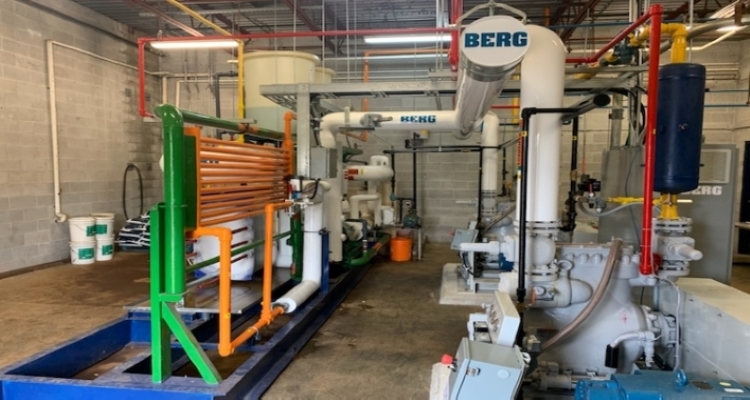
In the ever-evolving world of refrigeration, the role of refrigerants cannot be underestimated. However, relying on harmful substances as refrigerants is no longer necessary when we have access to natural alternatives that can make a significant impact.
Over the years, both domestic and global policies have played a crucial role in propelling the growth of natural refrigerants. Governments and organizations worldwide have recognized the urgent need to address climate change and reduce environmental impact, leading to the implementation of regulations that prioritize the use of eco-friendly refrigerants. This shift has created a ripple effect in the industry, encouraging businesses and consumers to embrace sustainable practices.
While natural refrigerants have always been a viable option for large industrial systems, they were often overlooked in favor of other refrigerants that were more convenient to use. However, the tide is turning, and organizations are increasingly realizing the benefits of natural refrigerants in terms of environmental impact, energy efficiency, and long-term cost savings.
What about natural refrigerants?

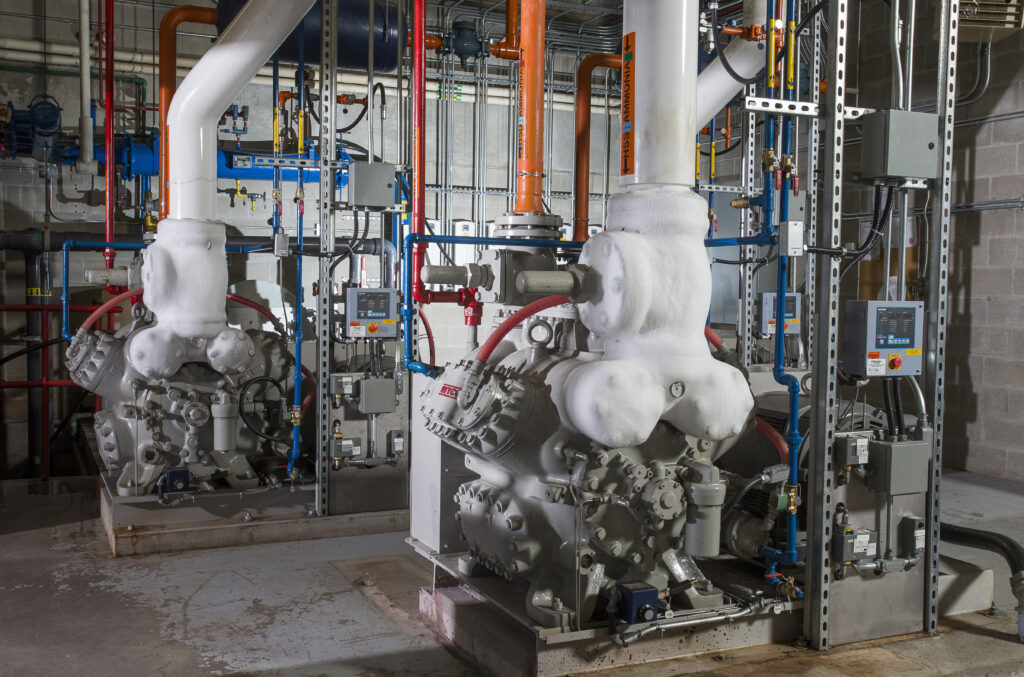
Refrigerants such as R-22 and R-401A gained popularity due to their accessibility and compatibility with industrial systems, including cold rooms and warehouses and ice rinks. But that’s about to change. The detrimental effects of these refrigerants on the ozone layer and their high Global Warming Potential (GWP) have prompted regulatory bodies to take action. The phaseout of ozone-depleting substances, such as R-22, has accelerated the adoption of natural refrigerants, driving innovation and transformation in the industrial refrigeration industry.
Embracing a Green Future
The Environmental Protection Agency’s decision to phase out ozone-depleting substances has marked a turning point in the industry. The phaseout includes the discontinuation of R-22 production, the most commonly used HCFC in existing air conditioners and refrigeration equipment. By 2020, R-22 will no longer be produced, marking a significant shift in the industrial refrigeration industry.
Increasingly, various industrial markets are recognizing the significance of green technology and showing a keen interest in natural refrigerants. This growing acceptance of natural alternatives is poised to revolutionize the industry as we know it.
What’s so good about natural refrigerants?
Natural refrigerants offer several advantages over their counterparts, primarily stemming from their environmentally friendly composition. Unlike other refrigerants, natural alternatives do not contain hazardous materials, making them inherently safer and better for the environment.
They are energy efficient, cost-effective, and are sustainable.
- Besides the ozone depletion, natural refrigerants have a low Global Warming Potential (GWP), meaning they have a lower amount of heat trapped in the atmosphere by greenhouse gases. Consequently, natural refrigerants emerge as a significantly more sustainable option compared to conventional refrigerants.
- Since natural refrigerants conduct energy more efficiently and reduces the workload on compressors, resulting in lower operating costs and reduced repair or replacement expenses.
- Natural refrigerants utilize energy derived from natural sources, which means they use less energy to accomplish the same cooling tasks as systems using alternative refrigerants.
Natural solutions to all your refrigeration needs.

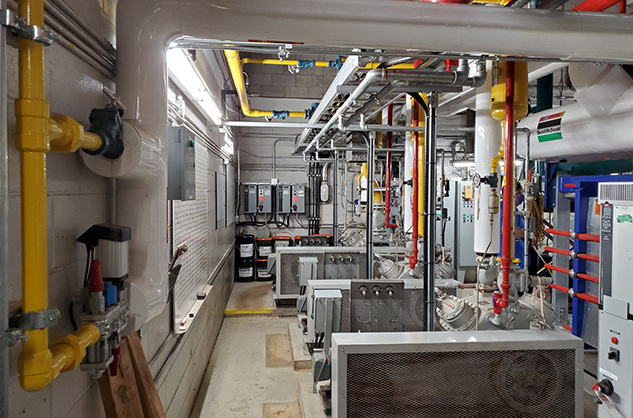
Let’s delve into a few noteworthy natural refrigerants that are transforming the industry:
- Ammonia (NH3): a well-known refrigerant used in larger industrial settings and the most widely used at Berg Industrial Service. Highly efficient, ammonia performs higher than its synthetic refrigerant counterparts because of its thermodynamic properties. It also has zero Ozone Depletion Potential (ODP) and Global Warming Potential (GWP), making it one of the most environmentally friendly refrigerants. The only drawback is that it hasn’t been fully approved yet because of the safety concerns surrounding toxicity and flammability.
- Carbon Dioxide (CO2): CO2 is one of the most practical and efficient refrigerants because of its heat exchange capabilities, low pumping power requirements, and ability to operate with low condensing pressure during colder months. As a naturally occurring substance abundant in the atmosphere, CO2 emerges as an attractive refrigerant option with zero ODP and a GWP of 1.
- Hydrocarbons: with excellent thermodynamic properties, hydrocarbons like propane and isobutene make great natural alternatives for refrigerants. Hydrocarbons have a zero ODP and negligible GWP, and in this respect they are on the same efficiency level as HCF refrigerants. However, because they are so flammable, they are often more expensive than Carbon Dioxide or Ammonia due to the need for explosion-proof enclosures for electrical equipment.
As the world continues to prioritize environmental stewardship and sustainability, the demand for natural refrigerants will only grow. By embracing these eco-friendly alternatives, businesses can not only reduce their environmental impact but also benefit from improved energy efficiency, cost savings, and regulatory compliance. The shift towards natural refrigerants represents a significant step forward in creating a more sustainable and environmentally conscious refrigeration industry.
Looking for a natural solution for your industrial cooling equipment? Contact us today to speak with our refrigeration experts.